Finding the best time to visit the Maldives comes down to what you want from your days: settled sunshine, a quieter island, clear water for snorkelling, or a mix of all three. Temperatures stay warm all year, so the real differences lie in rainfall, wind, sea conditions and the rhythm of island life.
This guide walks through the Maldives month by month, with notes on what the weather is like and what each part of the year lends itself to. It also explains what the seasons mean in the northern atolls, where a private lagoon resort in the Maldives such as Sirru Fen Fushi sits, in Shaviyani Atoll.
Maldives Weather and Seasons at a Glance
The Maldives sits close to the equator, so the climate is tropical and warm throughout the year. Daytime temperatures usually reach around 30°C to 31°C, nights rarely fall below 24°C, and the sea sits at roughly 28°C to 30°C in every month. You can swim comfortably whenever you travel.
The year is shaped by two monsoons rather than four seasons. The dry season follows the northeast monsoon and brings clearer skies, calmer seas and lower humidity. The Maldives rainy season, also called the wet season or green season, follows the southwest monsoon, when showers are more frequent and the wind picks up.
Showers in the wet season usually arrive in short, heavy bursts rather than settling in for the day, so a rainy month may still see plenty of sunshine. What changes most is the sea: calm and clear in the dry months, livelier and more changeable in the wet ones.
The wet season is not uniform. Its heaviest stretch runs from May to August, when showers are most frequent and the wind at its strongest. From September the rain eases month by month, and by December the dry season has returned.
Where the seasons fall depends on where you are. The country spans more than 800km from north to south, and the northern atolls have a drier, more clearly defined dry season than the islands further south. Sirru Fen Fushi sits in this northern group, in Shaviyani Atoll.
Maldives Weather by Month
Here is what to expect from the weather in each month of the year, with a note on what a stay at Sirru Fen Fushi looks like at that point in the season.
Maldives in January
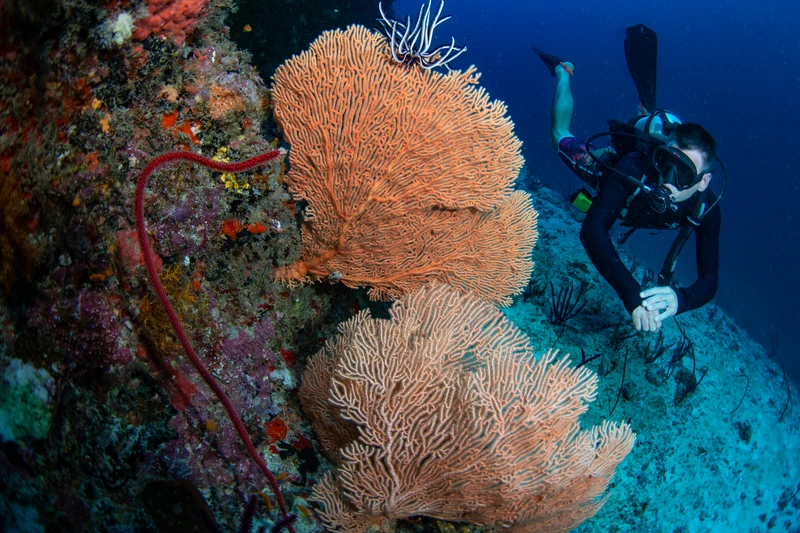
January sits in the middle of the northeast monsoon. Skies are mostly clear, humidity is low and winds stay light, with little rain across the month.
The sea is usually calm and underwater visibility is strong, so boat trips and reef time run reliably. This is peak travel season across the Maldives.
A January stay at Sirru Fen Fushi: Long, settled days suit the lagoon and the house reef, with complimentary paddleboards and kayaks among the watersports and island activities.
Maldives in February
February is typically the driest month of the year, and more so in the northern atolls. Rain is rare, humidity stays low and the northeast monsoon keeps the wind gentle and the air clear.
Seas are at their calmest and the water at its clearest, which makes this the strongest stretch of the year for snorkelling and diving visibility.
A February stay at Sirru Fen Fushi: Conditions suit guided snorkelling on the house reef, diving, or a sunset dolphin cruise.
Maldives in March
March holds the dry weather, but the days grow warmer. Humidity edges up towards the end of the month and the sun feels strongest through the middle of the day.
Seas stay calm and clear. Early morning and late afternoon are the most comfortable times to be outdoors, with shade and water welcome in between.
A March stay at Sirru Fen Fushi: The pools and Arufen Spa suit the warmer middle hours, with tennis, badminton and beach games easier early or late.
Maldives in April
April is the warmest month of the year and the transition out of the dry season. Humidity rises, the air feels heavier, and the first showers of the coming monsoon can appear late in the month.
Sea temperatures peak around now, so the water is at its warmest for swimming, and conditions stay mostly settled until the change arrives.
An April stay at Sirru Fen Fushi: Warm, calm water suits long swims, Seabob, flyboard and jet ski, and a visit to the Coralarium.
Maldives in May
May brings the southwest monsoon and the clearest change in the Maldivian year. Showers become frequent, usually heavy and short rather than all day, and the wind shifts and strengthens.
Vegetation turns noticeably greener across the islands. Seas become more changeable and underwater visibility starts to vary from one day to the next.
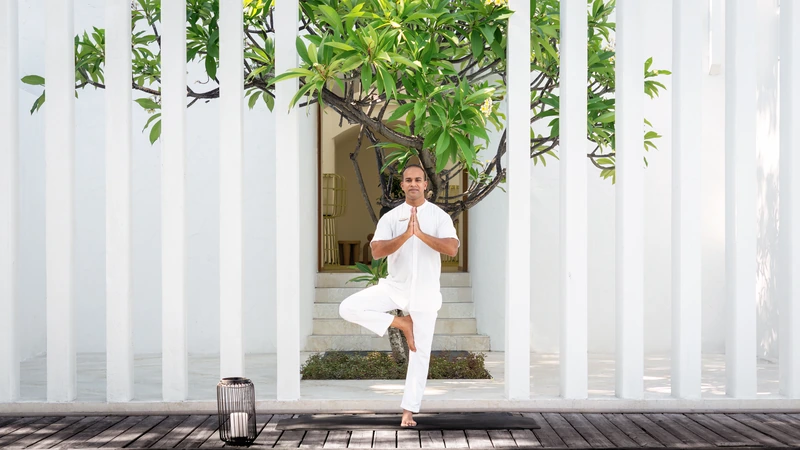
A May stay at Sirru Fen Fushi: Spa treatments, yoga and the Art Studio fill the wetter hours, with watersports running when conditions allow.
Maldives in June
June sits inside the wet season. Cloud cover is heavier, showers are regular and the wind holds from the southwest. Humidity is high, although temperatures barely move.
The sea is livelier, and plankton in the water can soften underwater visibility. Bright spells still run between the showers.
A June stay at Sirru Fen Fushi: The spa’s treatment rooms, the indoor yoga studio and the 24-hour gym suit the wetter hours, with dinner at KATA when the sky clears.
Maldives in July
July is one of the wettest stretches of the year, with the strongest winds of the southwest monsoon. Rain usually arrives in bursts rather than settling in, and warm bright spells run between them.
Seas are choppier and some boat-based activities depend on the day. July also coincides with summer holidays in many countries, so the Maldives is busier than the months either side.
A July stay at Sirru Fen Fushi: A month for flexible plans, with the Kids’ Club, the Art Studio and the resort’s restaurants filling the wetter hours. See our family holidays in the Maldives.
Maldives in August
August follows a similar pattern, with sunshine, cloud and showers in changing proportions through the day. Humidity stays high and conditions can shift within a few hours.
The ocean can feel energetic. Islands are at their greenest, and the sky often clears quickly once a shower has passed.
An August stay at Sirru Fen Fushi: Coconut painting at the Art Studio, the Sustainability Lab and the Coralarium between showers, with live music in the evening.
Maldives in September
September is where the rain begins to ease, although it remains a wet month. Winds soften gradually and the heaviest stretch of the monsoon is passing.
Days often mix heavy showers with long calm, clear spells. The islands stay lush, and this is one of the quieter months across the Maldives.
A September stay at Sirru Fen Fushi: Clear mornings open up the house reef, with nature walks, the spa and in-villa dining filling the rest of the day.
Maldives in October
October is still a wet month, but the pattern begins to settle towards the end of it. Showers are usually brief, and the southwest monsoon starts to lose its strength.
Seas calm in stretches and visibility improves on the clearer days. The islands stay green before the dry season returns.
An October stay at Sirru Fen Fushi: Still mornings suit a kayak or paddleboard, with a nurse shark snorkelling or a beach barbecue when the sea allows.
Maldives in November
November is the changeover between the two monsoons. Rain eases through the month, sunshine becomes more consistent and the wind begins to swing back to the northeast.
Seas start to calm and underwater visibility improves. The islands are fresh and green, and the destination is quieter than it will be in December.
A November stay at Sirru Fen Fushi: Water activities open up again, from snorkelling and diving to catamaran sailing and a sunset dolphin cruise.
Maldives in December
December brings the northeast monsoon back, and with it the dry season. Skies clear, humidity drops and seas calm, although a shower is still possible early in the month.
Conditions are more reliable by the second half of the month. This is the busiest travel period of the year across the Maldives, and resorts book out well ahead.
A December stay at Sirru Fen Fushi: Bright days in the lagoon, with destination dining at Madi Point, dinner under the stars and live music in the evenings.
Please note: this guide describes the general pattern of the Maldives seasons. Conditions vary from year to year, and any given day can differ from what a month usually brings. For official climate records and current forecasts, see the Maldives Meteorological Service, and check the forecast closer to your travel dates.
Snorkelling, Diving and Sea Conditions Through the Year
Underwater visibility is generally strongest in the dry season, when the sea is calm and the water at its clearest. In the wet season, plankton and stronger winds can soften visibility on some days, although the reef and its marine life stay active all year.
Sirru Fen Fushi has a naturally protected 9km house reef, with guided snorkelling, turtle research tour and SCUBA diving. Sea conditions on a given day can influence which water activities run, so it helps to allow some flexibility in your plans.
Our guide to diving and snorkelling in the Maldives covers what to see beneath the surface.
Choosing the Best Time to Go to the Maldives
There is no single best month to visit the Maldives for every traveller. Each season offers a different balance of weather, sea conditions and atmosphere, so it helps to start with what matters most to you.
Settled weather and clear water. January to April brings the most consistent sunshine in the northern atolls, with calm seas and low humidity. February is the driest month. Festive dates fill early, so booking ahead matters.
A greener, quieter island. May to November brings more rain and a lusher landscape, with fewer visitors overall. Showers are usually short, and sunshine is common between them.
Time in the water. The dry season generally offers the clearest conditions for snorkelling, diving and sailing. In the wet season, these run around the weather rather than every day.
Wellness and slower days. The wet season suits a trip built around the spa, yoga and unhurried meals, with time in the water when the sky clears.
For wider trip planning, see our Maldives travel guide.
Visiting Sirru Fen Fushi Through the Year
Sirru Fen Fushi is a private lagoon resort on Gaakoshibee Island in Shaviyani Atoll, a 241km seaplane flight from Malé. The island sits within a 600-hectare lagoon, so there is room to enjoy the setting in every month of the year.
In the dry months, days revolve around the water. You can snorkel the house reef, join a sunset dolphin cruise, head out to a sandbank or try watersports from the beach.
In the green season, the pace of the island shifts. Treatments at Arufen Spa, yoga, the Art Studio, dinner at Kata or Azure and a visit to the Coralarium, the world’s first semi-submerged gallery, all fit easily around the weather.
Each villa has its own infinity private pool, with Beach Villas set directly on the sand and Water Villas above the water. Explore our villas to see the collections, or browse current offers for stay packages. If you are planning a romantic escape, the same seasonal notes apply.
Plan Your Visit
Once you have a month in mind, check availability for your dates and book your stay at Sirru Fen Fushi. Our reservations team can also help you compare seasons, villas and packages: reservations@sirrufenfushi.com or +960 654 8888.
Häufig gestellte Fragen
When is the best time to visit the Maldives?
The most settled weather in the northern atolls falls between January and April, when skies are clearer, seas are calmer and humidity is lower. The wet season, from roughly May to November, brings more frequent showers and a greener island, with sunshine between the rain. There is no single best month for every trip, so it helps to weigh the weather against what you want to do, how busy the islands feel and your travel dates. The month-by-month guide above sets out what each month brings.
What is the rainy season in the Maldives?
The Maldives rainy season follows the southwest monsoon and runs from roughly May to November. Showers are more frequent and winds are stronger, but rain usually arrives in short bursts with bright spells in between. In the northern atolls the wettest stretch is May to August, easing from September onwards. Temperatures stay warm throughout, and the island looks greener and lusher.
Which month is the driest in the Maldives?
February is the driest month in the northern atolls, with calm seas, low humidity and the clearest water of the year. January, March and April also sit within the dry season and bring plenty of sunshine. Conditions vary from year to year, so treat this as the usual pattern rather than a guarantee.
Can you still enjoy the Maldives in the rainy season?
Yes. Temperatures stay warm, and rain usually falls in short showers rather than all day, leaving long spells of sunshine. The island is greener and visitor numbers are usually lower than in the dry season. Sea conditions are more changeable, so snorkelling and watersports run around the weather. At Sirru Fen Fushi, spa treatments, yoga, the Art Studio, the Coralarium and the resort’s restaurants give you plenty to do between showers.
How hot is the Maldives throughout the year?
Daytime temperatures usually reach around 30°C to 31°C in every month, and nights rarely fall below 24°C. The sea sits at roughly 28°C to 30°C all year and is at its warmest in April and May. Because temperatures change so little, the differences between months come from rainfall, wind, humidity and sea conditions, with humidity lower in the dry season and higher in the wet season.
Is the weather in the northern Maldives different from the south?
Yes. The northern atolls are drier overall and have a more clearly defined dry season, from January to April. The southern atolls sit closer to the equator, with rain spread more evenly through the year and no sharp dry season. Because many Maldives weather guides quote figures recorded at Malé, in the centre of the country, month-by-month advice can differ from what you would find further north. Sirru Fen Fushi sits in Shaviyani Atoll, in the northern group.
When is the best time for snorkelling and diving in the Maldives?
Underwater visibility is generally strongest in the dry season, from January to April in the northern atolls, when seas are calm and the water is clear. In the wet season, plankton and wind can soften visibility on some days, although the reef and its marine life stay active. Sirru Fen Fushi’s 9km house reef offers guided snorkelling and diving, so you can plan around the conditions of the month you choose. Read more about our house reef.